

Get started with Mizzou
ApplyMaster of Science
A Master of Science in Environment and Behavior from Mizzou will help you add exemplary value to the quality of the built environment. If you want a career in applied research, consulting or teaching in architecture, interior design and other environmental design disciplines, this may be the degree for you.
Quick facts
Official name
Master of Science in Architectural Studies with an emphasis in Environment and BehaviorCampus
Program type
Master's degreeAcademic home
College of Arts & Science | Department of Architectural StudiesDelivery mode
100% onlineAccreditation
Higher Learning CommissionCredit hours
30Estimated cost
$26,745.00*This cost is for illustrative purposes only. Your hours and costs will differ, depending on your transfer hours, your course choices and your academic progress. See more about tuition and financial aid.

Career prospects
Graduates of the program find career opportunities in
- Teaching and research positions in higher education
- Interior design or architecture consultant
- Other environmental design disciplines
Program structure
Delivery of this program is 100 percent online: no campus visits are required.
Courses are semester-based. The length of time it takes you to complete your program will depend on how many courses you take each semester and the nature of your research.
Emphasis areas include, among others:
- Aesthetics of design
- Design education
- Facility management and design
- Housing and neighborhood design
- Inclusive design / accessibility
- Sustainable design
Delivery
100% onlineCalendar system
Semester-basedTypical program length
VariesTypical course load
Varies if full time or part timeAccreditation
The University of Missouri is accredited by the Higher Learning Commission, one of six regional institutional accreditors in the United States.
Faculty spotlight
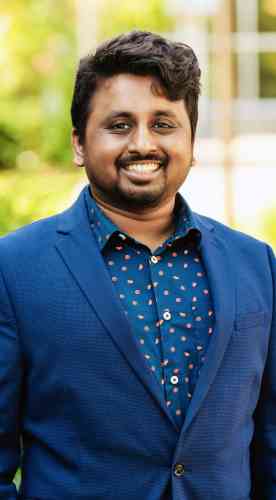
Jayedi Aman is an assistant professor in the Department of Architectural Studies at the University of Missouri. He is developing a new City AI Lab and is affiliated with the Immersive Visualization Lab (iLab) and the Digital Fabrication Lab. His research focuses on understanding how city design and development influence sustainability and human behavior. By using technologies such as Digital Twin, Geospatial Intelligence, and Machine Learning, Dr. Aman develops frameworks to assess the environmental impact of buildings and public sentiment.
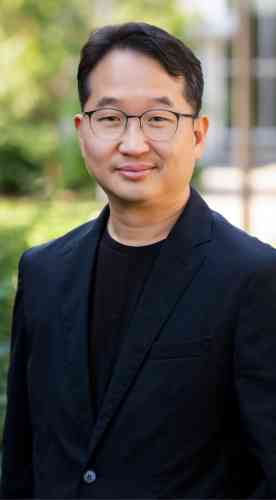
Jong Bum Kim is an associate professor at the Department of Architectural Studies at the University of Missouri. He is a director of the Immersive Visualization Lab (iLab) of Architectural Studies. He teaches design studios, design communication, and design computing courses. He has published journals and proceedings, including Journal of Automation in Construction, Building Performance Simulation, ASHRAE Transactions, ACADIA, eCAADe, CAADRIA, and IBPSA.
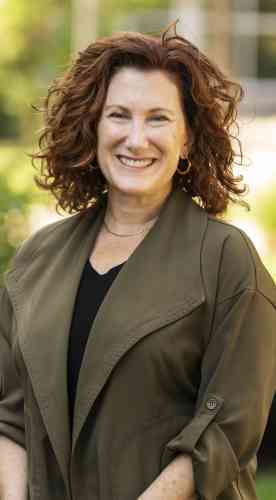
Janna Lancaster is an assistant professor and the Director of Graduate Studies in the Department of Architectural Studies at the University of Missouri. She is also the PI for the Great Plains ADA Center. Dr. Lancaster's research focuses on pedagogy, urbanism and disability. The pedagogy focus is for large lecture classrooms and for teaching high performance building and adaptation to climate change. Her urbanism research focuses on sustainability and resilience. As the PI of the Great Plains ADA Center, Janna works with a team to investigate how people with disabilities experience critical environments like hospitals.
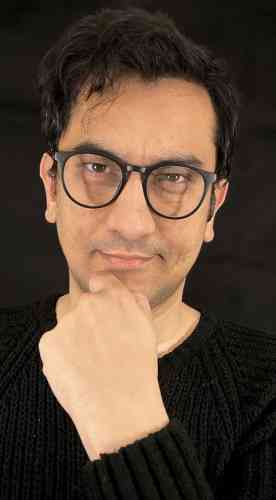
Faizan Shafique is an assistant professor in the Department of Architectural Studies at the University of Missouri. His research interests include human factors in design and construction, sustainability, leadership, workforce development, education and training. He also has multiple years of professional experience working as a coordination engineer, planning engineer, and contracts manager.

Rabia Faizan is an assistant professor in the Department of Architectural Studies at the University of Missouri. Dr. Faizan's research focuses on human-centered design, environmental perception and behavior, inclusive design, accessibility in healthcare facilities and multiculturalism and multicultural space design on campus. She combines both quantitative and qualitative methods and is especially passionate about community engagement strategies such as design charettes.